

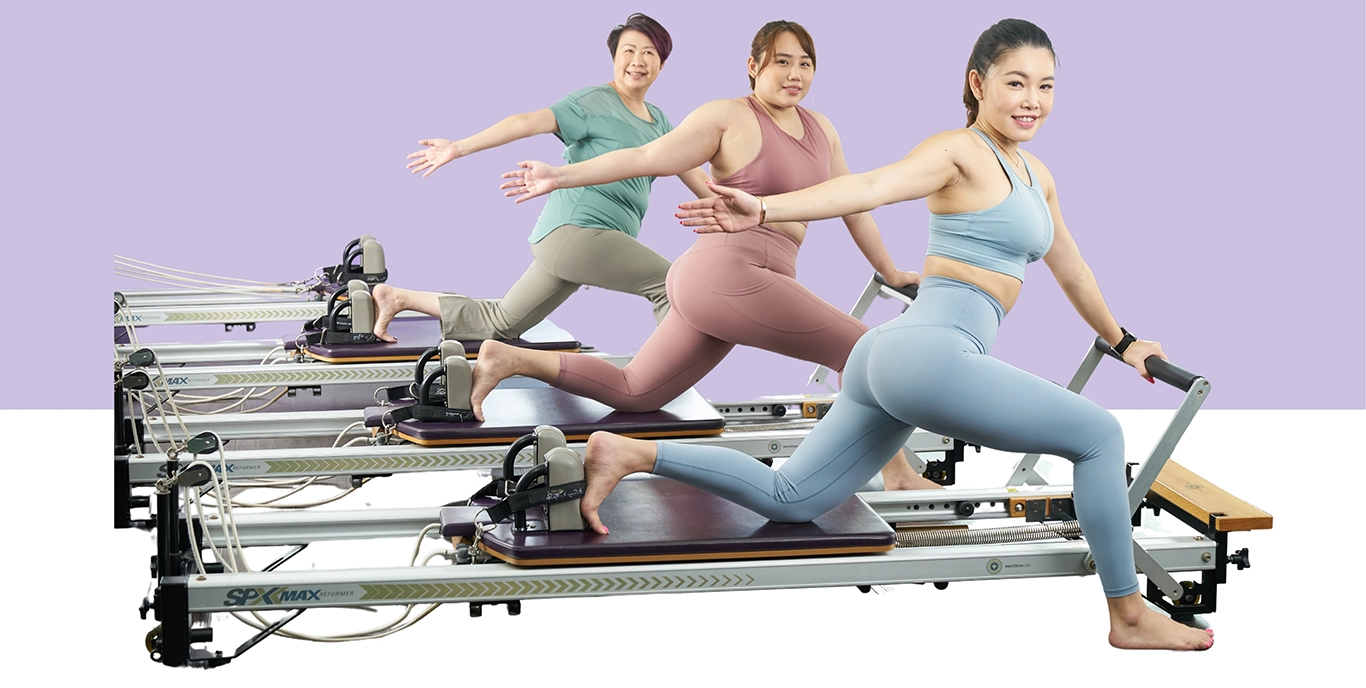
Nutrition plays a powerful role in how effective your workouts are. Even with a carefully planned exercise routine, poor food choices can limit results. For those practising pilates singapore, fuelling the body with the right meals enhances performance, improves recovery, and ensures you enjoy each session with energy and focus. Whether you are a beginner attending your first class or an experienced practitioner, pairing Pilates with smart nutrition helps you achieve long-term progress.
Why Nutrition Matters for Pilates
Pilates is a controlled, mindful workout that builds core strength, improves posture, and enhances flexibility. While it is low-impact, it still requires muscular endurance and concentration. Food provides the energy your body needs to engage fully, especially during exercises that demand stability and precision. Proper nutrition also reduces muscle soreness, prevents fatigue, and supports recovery between sessions.
Timing Your Meals Around Pilates
When you eat is as important as what you eat. Having the right foods at the right time ensures your body performs at its best.
-
Pre-workout (1–2 hours before): Focus on light, energy-boosting meals that are easy to digest.
-
Post-workout (within 60 minutes after): Aim for protein-rich and nutrient-dense foods that repair muscles and replenish glycogen stores.
This timing strategy helps you stay energised during the class and recover faster afterward.
Best Foods to Eat Before Pilates
The goal of pre-workout meals is to provide steady energy without weighing you down. In Singapore, with its diverse food options, you can find both traditional and modern choices that fit the Pilates lifestyle.
Good pre-workout options:
-
Whole grain toast with nut butter: Provides long-lasting energy from complex carbohydrates.
-
Greek yoghurt with fruit: Combines protein with natural sugars for quick fuel.
-
Banana with a handful of nuts: Simple and portable for busy schedules.
-
Brown rice porridge: A light local-inspired option for gentle digestion.
These foods are rich in carbohydrates for energy while offering a balance of protein and fat to keep hunger in check.
Best Foods to Eat After Pilates
After Pilates, your body needs nutrients to repair and rebuild. Post-workout meals should prioritise protein to heal muscles and carbohydrates to restore energy.
Ideal post-workout choices:
-
Grilled fish with vegetables and quinoa: Balanced protein, fibre, and healthy fats.
-
Smoothie with spinach, banana, and protein powder: Easy to digest and refreshing after a session.
-
Chicken and brown rice stir-fry: A practical meal packed with energy and lean protein.
-
Tofu salad with sesame dressing: A plant-based option full of protein and antioxidants.
These meals promote faster recovery and prevent the fatigue that comes from nutrient deficiencies.
Hydration and Pilates Performance
Water is often overlooked, yet it is essential for effective workouts. Sweating during Pilates may not feel intense compared to cardio, but dehydration can still affect focus and endurance. Aim to drink water throughout the day, not just before class. For longer or more intense sessions, consider coconut water for natural electrolytes.
Foods to Avoid Before Pilates
Certain foods can make Pilates uncomfortable or less effective. These include:
-
Heavy, greasy meals: Burgers, fried foods, or creamy dishes slow digestion.
-
Excessive caffeine: Can lead to jitters and disrupt breathing control.
-
High-sugar snacks: Provide quick energy but cause a crash mid-session.
Avoiding these ensures smoother movement and better focus during exercises.
Balancing Local Flavours with Nutrition
Singapore’s food culture is vibrant, and enjoying local meals does not have to conflict with your Pilates goals. Making simple swaps helps:
-
Opt for brown rice over white rice in hawker dishes.
-
Choose lean proteins like steamed fish instead of deep-fried meats.
-
Add extra vegetables to noodles or rice meals.
-
Replace sugary drinks with fresh juices or water.
This approach balances enjoyment of local cuisine with the fuel your body needs for Pilates.
Supplements and Energy Boosters
While whole foods should form the core of your diet, certain supplements can support your Pilates journey:
-
Protein powders: Convenient for busy professionals who need quick recovery meals.
-
Magnesium: Helps with muscle relaxation and reduces cramps.
-
Omega-3 fatty acids: Support joint health and reduce inflammation.
These should complement, not replace, a nutrient-rich diet.
Real-Life Scenarios in Singapore
-
Working professional: Grabs a banana and yoghurt before a lunchtime Pilates class, then enjoys a grilled chicken salad afterward.
-
Active retiree: Chooses porridge before morning sessions and tofu stir-fry for dinner to aid recovery.
-
Traveller: Packs protein bars and fruits for quick snacks between sightseeing and studio visits.
These examples show how simple nutritional habits align with the busy and diverse lifestyles in Singapore.
Pairing Nutrition with Studio Practice
For those attending structured classes, the right diet enhances the benefits of training. Studios like Yoga Edition encourage mindful living, and nutrition is a natural extension of this philosophy. Eating well ensures that every Pilates session feels purposeful and energising, leading to steady progress.
FAQs
Q. Should I eat immediately before a Pilates session?
It is best to eat at least 60–90 minutes before class to allow digestion. A small snack like a banana 30 minutes before is fine if you need quick energy.
Q. Can I practise Pilates on an empty stomach?
Light morning sessions may be done fasted, but eating something small is recommended for energy and focus.
Q. What is the best drink during a Pilates class?
Water is the best choice. For longer sessions, coconut water can help replenish electrolytes.
Q. Is it necessary to take protein supplements after Pilates?
Not always. Whole foods like eggs, chicken, tofu, or legumes provide sufficient protein. Supplements are useful only if you struggle to meet your daily needs.
Q. Can local Singaporean dishes support a Pilates diet?
Yes. With mindful choices, local meals can be nutritious. Opt for lean proteins, whole grains, and plenty of vegetables to complement your sessions.

Comments are closed.