

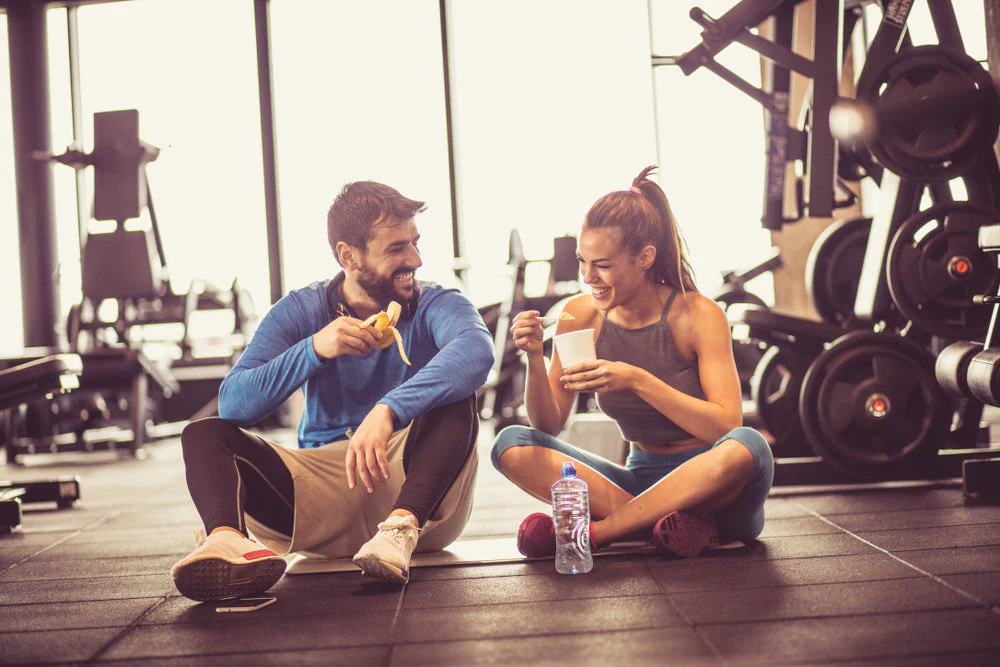
HIIT classes are demanding because they combine fast effort, strength movements, cardio intervals and short recovery periods. Food and hydration strongly affect how participants feel during class and how well they recover afterward. Poor fueling can make the workout feel harder than it should, while poor recovery can affect the next session.
For people attending hiit classes singapore, nutrition should be practical and supportive. The goal is not extreme dieting. It is eating in a way that provides energy, protects muscle and supports recovery.
Pre-class meals should provide usable energy
HIIT requires quick energy. Participants who arrive underfed may feel weak, dizzy or unable to complete intervals properly. However, eating too much right before class can feel uncomfortable.
A balanced meal two to three hours before class usually works well. It can include carbohydrates, protein and fluids.
If class starts soon, a light snack may be better. Fruit, yoghurt, toast, oats or a small smoothie can provide energy without feeling heavy.
Carbohydrates support intensity
Carbohydrates help fuel high intensity exercise. During HIIT, the body uses energy quickly, especially during fast movements and repeated intervals.
People trying to lose fat sometimes cut carbohydrates too aggressively. This can reduce workout quality and increase fatigue.
The better approach is sensible portions. Carbohydrates should support training without becoming excessive.
Protein supports repair
HIIT often includes bodyweight strength, resistance drills, jumps, lunges, core work and athletic movements. These place stress on muscles.
Protein supports repair and helps maintain lean muscle. Good sources include eggs, chicken, fish, tofu, tempeh, beans, Greek yoghurt and lean meats.
Protein should be included throughout the day, not only after class.
Hydration affects performance
Hydration is especially important in Singapore. Even indoor HIIT can cause heavy sweating. Dehydration can lead to low energy, headaches and poor focus.
Participants should drink water throughout the day. For very sweaty sessions, electrolytes may help.
Hydration should not begin only when the class starts.
Post-class meals support recovery
After HIIT, the body needs protein, carbohydrates and fluids. This helps restore energy and repair muscle tissue.
For evening classes, a balanced dinner can work. For morning classes, breakfast after training is important. For lunchtime classes, lunch should support the rest of the day.
Skipping food after intense training can lead to cravings or poor recovery later.
Avoid heavy, oily foods before class
HIIT involves quick movement, changes in direction and high heart rate. Heavy meals before class may cause discomfort.
If eating close to class, choose something light and easy to digest. Save heavier meals for after the workout.
A fitness environment such as True Fitness Singapore can support structured training, while smart nutrition habits support performance and recovery outside the gym.
FAQ
I attend HIIT after work and feel weak halfway through. What should I eat?
Have a small afternoon snack, especially if lunch was early. Fruit, yoghurt, oats or toast can help improve energy.
Should I avoid carbs after HIIT if I want fat loss?
Not necessarily. Carbohydrates can support recovery. Focus on portion control and balanced meals rather than removing carbs completely.
I feel nauseous if I eat before HIIT. What can I do?
Eat earlier, reduce portion size and avoid heavy or oily foods close to class. Try light snacks if needed.
Do I need a protein shake after every HIIT session?
No. Whole foods can work well. A shake is only useful if it helps you meet protein needs conveniently.
Conclusion
Eating before and after HIIT classes supports energy, performance and recovery. Carbohydrates fuel intensity, protein supports repair and hydration protects stamina.
For people in Singapore, practical meal timing can make HIIT feel stronger and more sustainable. When nutrition supports training, results become easier to maintain.

Comments are closed.