

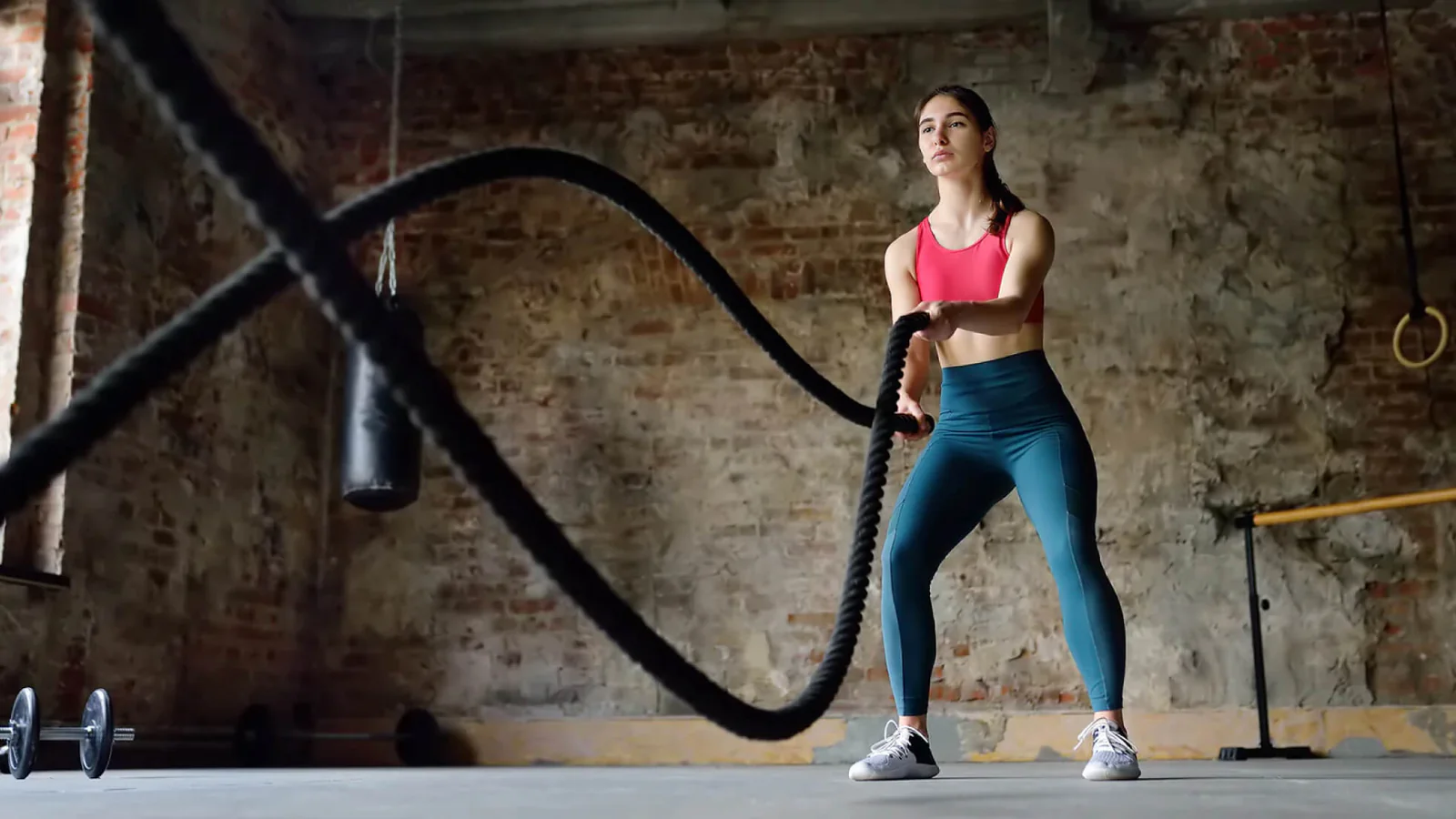
Why Nutrition Matters in HIIT Performance
High-intensity workouts are demanding. They require strength, stamina, and rapid recovery. While most people focus on the workout itself, the real difference in performance often lies in what you eat before and after each session. Proper nutrition fuels energy, supports muscle repair, and maximises results from fitness hiit training.
HIIT pushes your body to operate at its limits. Without adequate fuel, energy levels drop quickly, leading to early fatigue and slower recovery. When you match your meals to your training intensity, you perform better, recover faster, and see visible results more consistently.
Understanding What HIIT Demands from the Body
During HIIT sessions, your body uses both aerobic and anaerobic energy systems. The rapid switch between high effort and rest phases consumes stored glycogen in muscles. Once glycogen levels are depleted, performance declines, and recovery slows down.
In simple terms, your body needs:
-
Carbohydrates for immediate energy
-
Protein for muscle repair and growth
-
Healthy fats for sustained energy and hormone balance
-
Micronutrients (vitamins and minerals) for optimal body function
Balancing these elements ensures your body can perform at peak intensity while minimising the risk of fatigue or injury.
The Pre-Workout Meal: Setting the Foundation
What you eat before your HIIT session determines how much energy you have during your workout. The goal is to consume easily digestible food that provides steady fuel without causing discomfort.
Ideal Pre-Workout Nutrition
Eat your pre-workout meal 1–2 hours before training. Focus on:
-
Complex carbs: Oats, brown rice, or wholegrain toast provide long-lasting energy.
-
Lean protein: Eggs, chicken breast, or Greek yoghurt support muscle function.
-
Hydration: Start drinking water at least an hour before your workout.
Sample Pre-Workout Meal Ideas
-
Oats with banana and a drizzle of honey
-
Wholegrain toast with peanut butter
-
Chicken and sweet potato bowl
-
Greek yoghurt with berries
Avoid heavy or greasy foods that may slow digestion or cause cramps during exercise.
Nutrition During HIIT: Small but Crucial Steps
For short HIIT sessions (20–30 minutes), you may not need to eat during the workout. However, hydration is essential. Sweating depletes electrolytes, and without replacement, fatigue can set in quickly.
During training:
-
Sip water regularly throughout the session
-
For longer workouts, consider coconut water or a diluted electrolyte drink
-
Avoid sugary energy drinks that cause spikes and crashes
These small steps help maintain focus, hydration, and endurance throughout the workout.
Post-Workout Nutrition: The Recovery Phase
The post-HIIT meal is where your body rebuilds and recovers. After pushing yourself through intense intervals, your muscles need nutrients to repair and grow stronger.
The Golden 30-Minute Window
Try to eat within 30 minutes of finishing your session. This period is when your body absorbs nutrients most efficiently. Combine carbohydrates and protein in roughly a 3:1 ratio.
Best Post-Workout Foods
-
Protein: Eggs, fish, chicken, tofu, or whey protein shakes
-
Carbohydrates: Brown rice, quinoa, fruits, or wholegrain pasta
-
Healthy fats: Avocado, olive oil, or nuts for hormonal support
Sample Post-Workout Meals
-
Grilled salmon with brown rice and vegetables
-
Protein smoothie with banana and oats
-
Chicken wrap with wholegrain tortilla and hummus
Rehydration is equally important—drink water or electrolyte-rich fluids to restore balance.
The Role of Micronutrients in HIIT Performance
Vitamins and minerals support muscle function, recovery, and overall health. Key micronutrients for HIIT athletes include:
-
Magnesium: Helps prevent cramps and supports muscle contraction. Found in spinach, almonds, and seeds.
-
Potassium: Replenishes electrolytes lost through sweat. Found in bananas and oranges.
-
Iron: Supports oxygen transport in the blood, improving endurance. Found in red meat, lentils, and spinach.
-
Vitamin C and E: Reduce inflammation and aid recovery. Found in citrus fruits, nuts, and green vegetables.
A varied diet rich in whole foods ensures that your body gets the right balance of these nutrients for optimal performance.
Smart Snacking for Busy Days
If your schedule doesn’t allow for full meals before or after training, strategic snacking can make a big difference. Choose options that are portable, balanced, and nutrient-dense.
Smart snack ideas:
-
A banana or apple with nut butter
-
Greek yoghurt with honey
-
Protein bar with low sugar content
-
Hard-boiled eggs with a handful of almonds
Avoid processed snacks or sugary bars, which may give temporary energy but cause crashes later.
Hydration and Electrolyte Balance
Hydration plays a crucial role in both performance and recovery. Dehydration affects concentration, heart rate, and endurance. During HIIT, fluid loss through sweat can be significant, especially in Singapore’s humid climate.
To maintain proper hydration:
-
Drink water consistently throughout the day, not just during workouts.
-
Add a pinch of sea salt or electrolytes if you sweat heavily.
-
Avoid excessive caffeine before workouts, as it can cause dehydration.
Signs of dehydration include dizziness, fatigue, and dark-coloured urine. Always prioritise fluids as part of your fitness routine.
Common Nutrition Mistakes in HIIT
Even with good intentions, many people make nutritional errors that reduce the effectiveness of their workouts. Common mistakes include:
-
Skipping meals before or after workouts
-
Overeating after training, thinking it “balances out” the workout
-
Consuming too much sugar or processed protein supplements
-
Ignoring hydration and micronutrient needs
Avoiding these pitfalls helps you maintain steady progress and ensures your HIIT sessions deliver consistent results.
How True Fitness Singapore Helps Members Optimise Nutrition
At True Fitness Singapore, members not only benefit from expertly guided HIIT sessions but also receive advice on how to pair workouts with smart nutrition. Trainers often guide participants on pre- and post-exercise meals, hydration, and recovery strategies that suit Singapore’s lifestyle and weather.
Combining professional training with proper nutrition ensures that every effort you put into HIIT translates into real, lasting results—stronger muscles, improved endurance, and better overall wellbeing.
Real-Life Results from Smart Nutrition and HIIT
Many people who’ve combined balanced eating with consistent HIIT sessions report remarkable transformations. They experience sustained energy, improved focus at work, and quicker recovery after workouts. Those who previously relied on random diets find that structured nutrition supports long-term progress without burnout.
The key takeaway: HIIT and nutrition work best together. Fuel your body correctly, and your workouts will become more efficient and rewarding.
FAQs
Q1. Should I eat if I train early in the morning?
Yes, but keep it light. A banana, smoothie, or small protein shake 30 minutes before training is ideal for early sessions.
Q2. How soon should I eat after HIIT?
Within 30 minutes for best recovery results. This is when your body replenishes glycogen and repairs muscle tissue most effectively.
Q3. Can I do HIIT on an empty stomach?
Some people can, but it may reduce performance and increase fatigue. If you prefer fasted workouts, keep intensity moderate and hydrate well.
Q4. Is protein powder necessary for HIIT?
Not essential, but convenient. Whole food sources like eggs, chicken, or tofu are equally effective if you meet your daily protein needs.
Q5. What’s the best drink after HIIT?
Water for hydration, or coconut water for natural electrolytes. Avoid sugary sports drinks unless your session exceeds 45 minutes or involves heavy sweating.

Comments are closed.