

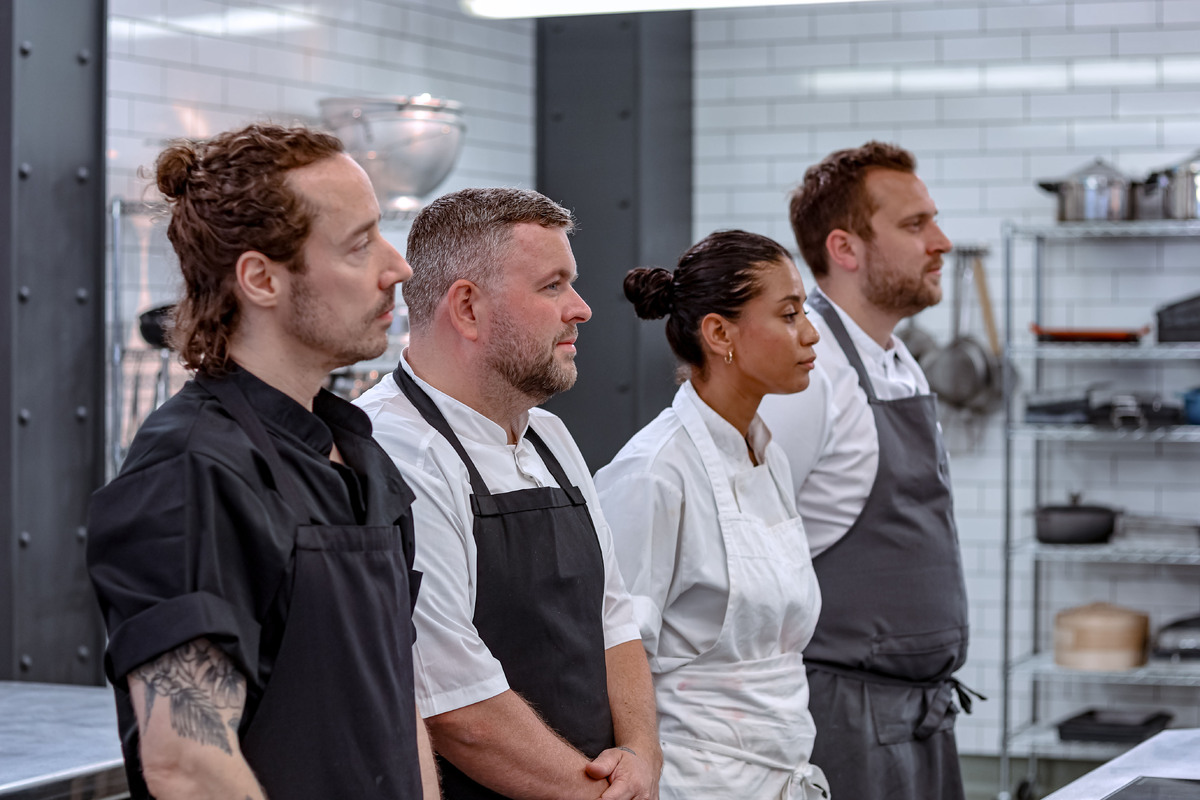
In a world where culinary trends often chase extravagance, the most respected chefs quietly move in the opposite direction. Simplicity, not complexity, is what defines truly great cooking. From humble bistros to Michelin-starred kitchens, the philosophy remains the same: when ingredients are respected and techniques are mastered, less really is more.
This approach isn’t about cutting corners. It’s about clarity, discipline, and confidence.
Simplicity Allows Ingredients to Shine
At its core, cooking is about ingredients. Great chefs understand that no amount of technique can save poor-quality produce.
When simplicity is prioritized:
- Natural flavors remain intact
- Seasonal ingredients take center stage
- Each component has a clear purpose
Instead of hiding ingredients under layers of sauces and garnishes, simple dishes let their true character speak.
Fewer Elements Mean Greater Precision
Complex dishes increase the margin for error. Every added step introduces risk.
By keeping things simple, chefs gain:
- Better control over seasoning and texture
- Consistency across every plate
- Faster execution without sacrificing quality
Precision thrives in simplicity, especially during high-pressure service.
Simplicity Reflects Mastery, Not Limitations
Many assume simple food is easier to make. In reality, it’s often harder.
Why simplicity is challenging:
- Flaws are impossible to hide
- Technique must be flawless
- Balance becomes critical
A perfectly roasted chicken or a well-seasoned pasta reveals far more skill than an overloaded plate with excessive elements.
Clean Plates Create Clear Experiences
Great chefs think beyond taste. They consider how a dish feels emotionally and visually.
Simple dishes offer:
- Clear flavor narratives
- Elegant presentation
- Memorable dining experiences
When diners aren’t overwhelmed, they can focus on what matters most—the food.
Efficiency Matters in Professional Kitchens
In real kitchens, complexity slows everything down.
Simplicity supports:
- Faster prep and service
- Reduced food waste
- Better teamwork and communication
Efficient menus are easier to execute and more sustainable over time.
Timeless Food Outlasts Trends
Food trends come and go, but simple dishes endure.
Classic preparations survive because they:
- Appeal across cultures
- Age gracefully
- Adapt easily to different ingredients
Great chefs aim to create food that remains relevant long after trends fade.
Simplicity Builds Trust With Diners
When chefs avoid unnecessary complexity, they show confidence in their craft.
This builds:
- Trust in ingredient quality
- Transparency in cooking methods
- Stronger connections with guests
People return not for novelty alone, but for honest, satisfying food.
Frequently Asked Questions
Does simple food mean boring food?
No. Simplicity highlights flavor balance and technique, making dishes more expressive, not dull.
Why do fine-dining chefs avoid overcrowded plates?
Overcrowding distracts from the main flavors and reduces clarity in both taste and presentation.
Is simplicity more difficult than complex cooking?
Yes. With fewer elements, there is no place to hide mistakes, demanding higher skill and precision.
How does simplicity affect menu design?
Simple menus are easier to execute consistently and allow kitchens to focus on quality rather than quantity.
Can home cooks benefit from cooking more simply?
Absolutely. Fewer ingredients improve focus, reduce stress, and often lead to better results at home.
Why do some chefs still favor complex dishes?
Complexity can be useful for experimentation, storytelling, or special occasions, but it’s not ideal for everyday excellence.
How can chefs learn to embrace simplicity?
By focusing on fundamentals, understanding ingredients deeply, and resisting the urge to overcomplicate.
In the end, great cooking isn’t about showing off—it’s about showing restraint. Chefs who focus on simplicity demonstrate confidence, respect for ingredients, and a deep understanding of their craft.

Comments are closed.