

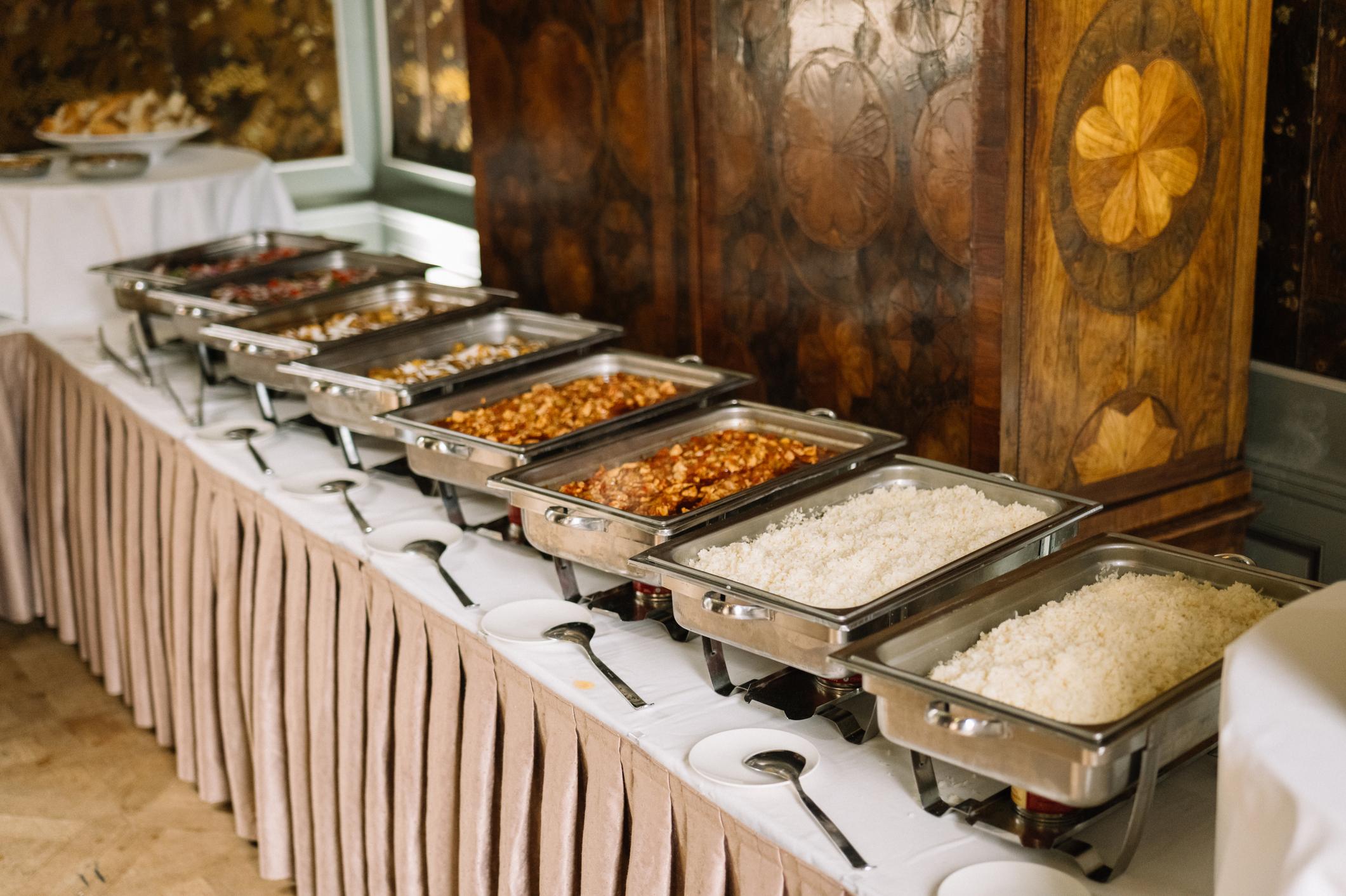
Estimating food quantities is one of the most critical skills in catering. Too little food leaves guests disappointed, while too much leads to unnecessary waste and cost. Accurate planning blends experience, data, and an understanding of guest behavior. When done right, it creates smooth service and satisfied clients without excess.
Start With the Event Type and Timing
Not all events generate the same appetite. The purpose and schedule of an event directly influence how much people eat.
Consider:
- Time of day (breakfast portions differ from dinner portions)
- Event length (longer events require more food)
- Formality level (formal dinners encourage full meals, casual events promote grazing)
A networking reception at 4 p.m. will not require the same quantities as a seated evening banquet.
Understand Your Guest Profile
Guest demographics matter more than many planners realize. Age, culture, and expectations affect consumption patterns.
Key factors include:
- Average age of attendees
- Cultural food preferences
- Dietary restrictions or special requests
Corporate events often consume less food per person than social celebrations, where guests expect abundance.
Choose the Right Service Style
How food is served has a major impact on quantity planning.
Typical portion differences include:
- Plated meals offer the most control and least waste
- Buffets require 10–20% extra to maintain visual fullness
- Passed appetizers rely on timing and server pacing
Service style should always guide portion calculations.
Use Proven Portion Guidelines
Reliable portion standards help create accurate estimates. While menus vary, general benchmarks provide a strong starting point.
Common catering guidelines include:
- Proteins: 4–6 ounces per person for plated meals
- Sides: 3–4 ounces per item per person
- Appetizers: 5–7 pieces per person per hour for heavy hors d’oeuvres
- Desserts: 1–2 portions per guest, depending on variety
These numbers should be adjusted based on menu richness and event duration.
Factor in Menu Complexity and Variety
The more options available, the less of each item guests typically consume. Variety spreads demand across the menu.
Planning tips:
- Reduce quantities per item when offering multiple choices
- Increase totals for crowd favorites
- Balance lighter and heavier dishes
Menus with too many similar items can cause uneven depletion.
Account for Alcohol and Beverages
Drinks influence eating patterns. Alcohol generally increases appetite, while non-alcoholic events may require heartier food.
Beverage planning should consider:
- Alcohol service duration
- Weather conditions
- Availability of water and non-alcoholic options
Hydration stations also reduce overconsumption of food.
Build in a Sensible Buffer
A small buffer protects against unexpected variables such as late arrivals or higher appetites.
Best practices include:
- Adding 5–10% extra for predictable events
- Increasing buffer for open-invite or public gatherings
- Prioritizing extra sides over extra proteins to control costs
Strategic buffers prevent shortages without significant waste.
Track Past Events for Better Accuracy
Experienced caterers rely on data, not guesswork. Reviewing previous events improves future estimates.
Useful tracking details include:
- Attendance versus RSVP numbers
- Items that ran out early
- Items with significant leftovers
Over time, patterns emerge that lead to near-perfect forecasting.
Why Accurate Estimation Matters
Accurate food estimation protects profitability, reduces waste, and enhances client trust. It reflects professionalism and respect for both guests and resources. Mastery in this area separates reliable caterers from inconsistent ones.
Frequently Asked Questions
How much extra food should I plan for large events?
For well-managed events with RSVPs, 5–10% extra is usually sufficient. Open events may require 15% or more.
Does buffet style always require more food?
Yes. Buffets typically require additional food to keep displays full and account for uneven guest choices.
How do children affect food quantity estimates?
Children generally consume smaller portions, but child-friendly foods may be eaten quickly and require adjustment.
Should I estimate differently for outdoor events?
Outdoor events often increase appetite, especially in cooler weather, and may require slightly larger portions.
How do I estimate food for events with uncertain attendance?
Use conservative per-person portions and focus on scalable items like sides and salads.
Is it better to overestimate or underestimate food?
Slight overestimation is safer, but smart buffers and menu planning help control waste.
Can technology help with food quantity estimation?
Yes. Catering software and historical sales data significantly improve accuracy over time.
Accurate food estimation is both an art and a science. With thoughtful planning, data awareness, and flexible buffers, caterers can deliver seamless events that feel generous without excess.

Comments are closed.