

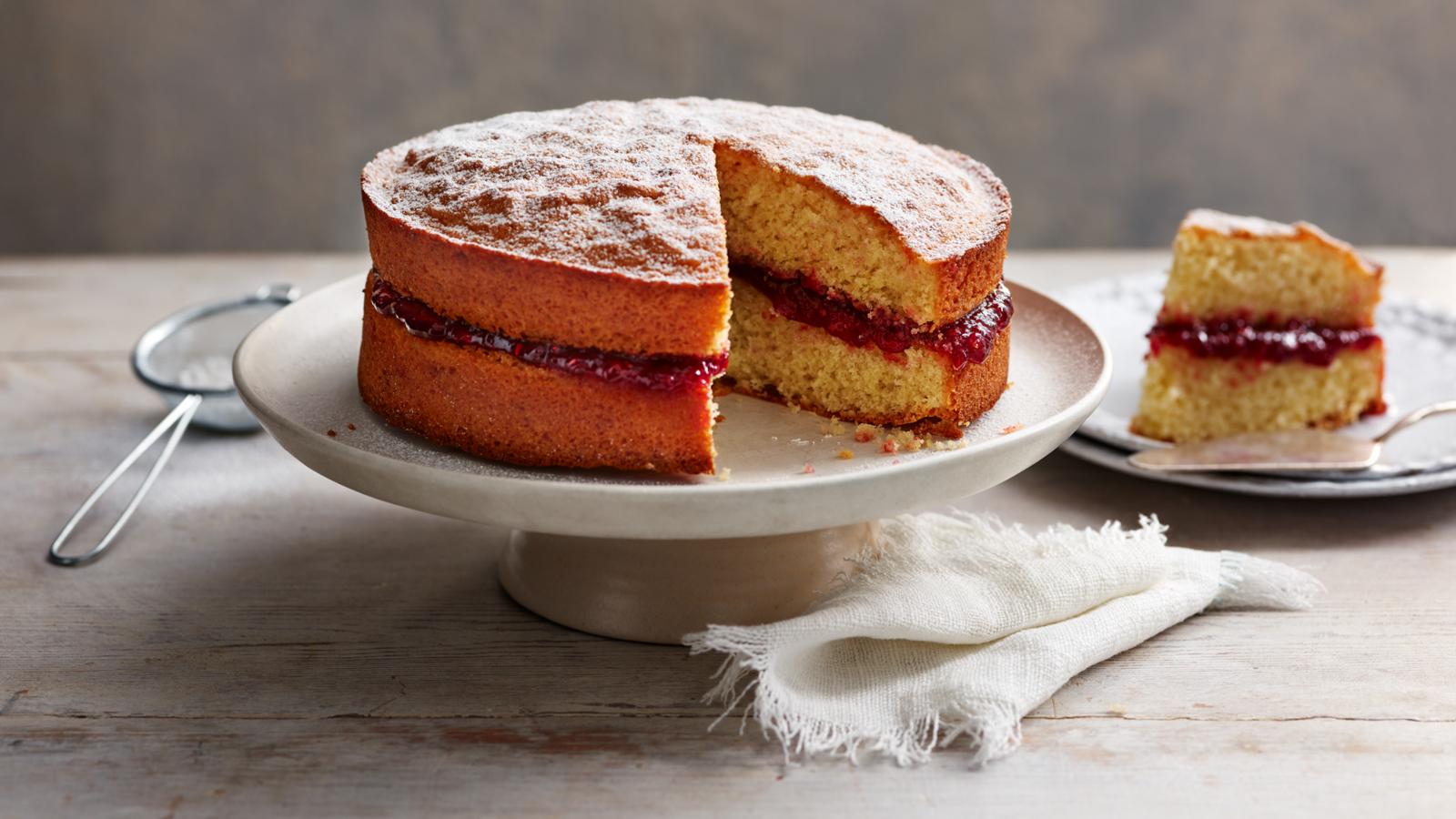
Gluten-free baking has moved from a niche dietary need to a mainstream culinary craft. Whether driven by celiac disease, gluten sensitivity, or personal preference, bakers quickly discover that removing gluten is not as simple as swapping flour. Success depends on understanding structure, moisture, and balance—and letting go of a few persistent myths along the way.
This guide cuts through confusion to explain the real challenges of gluten-free baking and the techniques that consistently deliver bakery-quality results.
Understanding the Core Challenge of Gluten-Free Baking
Gluten plays a structural role in traditional baking. It traps air, provides elasticity, and gives baked goods their familiar chew. Without it, recipes behave very differently.
Common issues gluten-free bakers face include:
- Crumbly textures that fall apart when sliced
- Dense or gummy interiors caused by moisture imbalance
- Poor rise due to lack of elastic structure
- Dryness from overbaking or incorrect flour ratios
Mastering gluten-free baking means replacing gluten’s function, not just its ingredients.
Common Myths About Gluten-Free Baking
Myth 1: Gluten-Free Baking Is Always Healthier
Gluten-free does not automatically mean nutritious. Many commercial gluten-free products rely on refined starches and added sugars. Whole-food ingredients and balanced recipes matter more than the absence of gluten.
Myth 2: One Gluten-Free Flour Works for Everything
There is no universal gluten-free flour. Each flour has unique properties:
- Rice flour adds lightness but can feel gritty
- Almond flour contributes moisture and richness
- Tapioca and potato starch improve chew and elasticity
Successful baking usually involves blends, not single flours.
Myth 3: Gluten-Free Dough Should Look Like Wheat Dough
Gluten-free doughs and batters are often wetter and softer. This is intentional. Thicker batters can result in dry, heavy baked goods once heat removes moisture.
Proven Techniques That Actually Work
Build Structure with Binding Agents
Since gluten is absent, structure must come from elsewhere. Binding agents mimic elasticity and cohesion.
Effective binders include:
- Xanthan gum for elasticity in breads and cookies
- Psyllium husk for chew and moisture retention
- Ground flaxseed or chia for softer baked goods
Using too much binder can cause gumminess, so precision matters.
Balance Moisture Carefully
Gluten-free flours absorb liquid differently than wheat flour. Recipes often require:
- Higher hydration levels
- Additional fats such as oil or butter
- Ingredients like yogurt, applesauce, or eggs to retain moisture
Allowing batters to rest before baking gives flours time to hydrate fully, improving texture.
Use Blended Flours for Better Results
A well-balanced gluten-free flour blend typically includes:
- A base flour (rice, sorghum, oat)
- A protein-rich flour (almond, chickpea)
- A starch (tapioca, potato, cornstarch)
This combination delivers structure, tenderness, and lift without overpowering flavor.
Adjust Mixing and Baking Methods
Gluten-free baking rewards patience and precision.
- Mix thoroughly to evenly distribute binders
- Avoid overbaking, which causes dryness
- Cool completely before slicing to allow structure to set
Temperature control and timing are more critical than in traditional baking.
Flavor and Texture Enhancements
Gluten-free baked goods can taste just as rich and satisfying as conventional ones when flavor is layered intentionally.
Ways to enhance results include:
- Toasting flours lightly for depth
- Adding spices, citrus zest, or vanilla
- Using brown butter or honey for complexity
Texture improves dramatically when flavor and moisture are treated as equally important.
Why Gluten-Free Baking Is a Skill, Not a Shortcut
Gluten-free baking is not about restriction—it is about technique. Once bakers understand how ingredients interact, creativity opens up. From airy cakes to crusty breads, consistent success is achievable with practice and informed adjustments.
The key is respecting that gluten-free baking follows its own rules rather than forcing traditional methods to fit.
Frequently Asked Questions
Why does my gluten-free bread collapse after baking?
This usually happens due to excess moisture, weak structure, or underbaking. Stronger binders and longer cooling times help prevent collapse.
Can I convert regular recipes to gluten-free by swapping flour?
Direct substitutions rarely work. Gluten-free recipes require adjusted liquid ratios, binders, and sometimes different baking temperatures.
What is the best gluten-free flour for beginners?
Pre-mixed gluten-free flour blends designed for baking are the easiest starting point, as they are already balanced for structure and texture.
How do I prevent gritty textures in gluten-free baking?
Let batters rest before baking, use finely milled flours, and avoid excessive rice flour without complementary starches.
Why are gluten-free baked goods often dry the next day?
Gluten-free items lose moisture faster. Storing them airtight and slightly underbaking can help maintain softness.
Is gluten-free baking suitable for yeast breads?
Yes, but it requires higher hydration, strong binders, and patience during proofing to achieve good rise and crumb.
Do gluten-free baked goods freeze well?
Most gluten-free breads, muffins, and cakes freeze exceptionally well and often retain better texture when thawed properly.
Gluten-free baking rewards curiosity, experimentation, and respect for ingredient science. With the right techniques, it delivers results that rival— and sometimes surpass—traditional baking.

Comments are closed.