

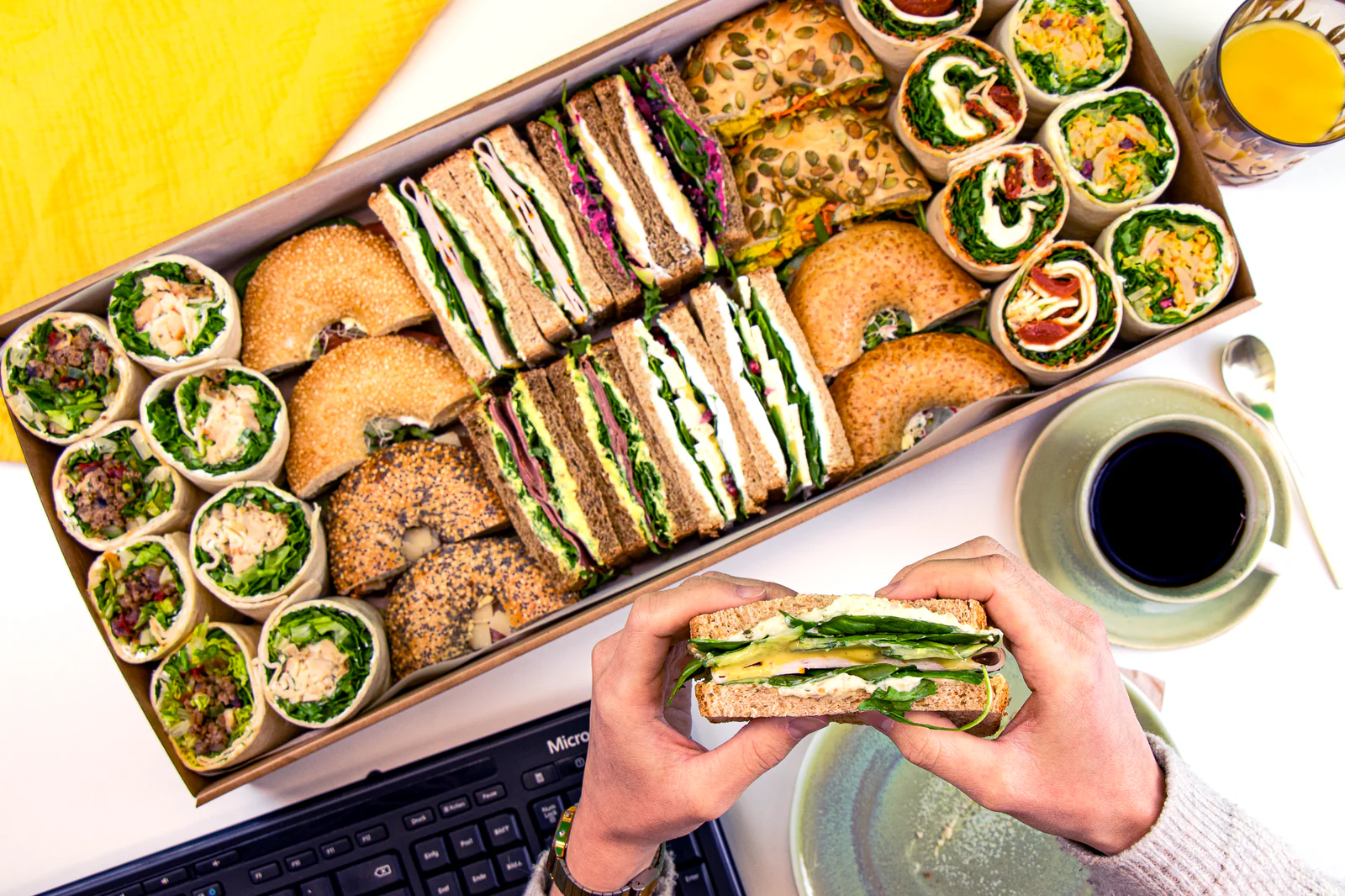
Corporate catering has evolved far beyond basic sandwich trays and coffee urns. As workplaces change, so do expectations around food, experience, and flexibility. Today’s catering decisions reflect company culture, employee well-being, and even brand identity. Staying aware of current trends helps businesses make smarter choices that resonate with modern teams.
Health-Forward Menus Are Now the Standard
Employee wellness has become a priority, and catering menus are following suit. Businesses are moving away from heavy, one-note meals toward balanced options that support energy and productivity.
Popular health-forward features include:
- Plant-forward dishes that emphasize vegetables and whole grains
- Lean proteins such as grilled chicken, fish, and legumes
- Reduced sugar and sodium without sacrificing flavor
Health-conscious catering signals that a company values its people beyond the meeting room.
Customization and Dietary Inclusivity
One-size-fits-all menus no longer work in diverse workplaces. Dietary needs are increasingly varied, and catering providers are expected to accommodate them seamlessly.
Common inclusivity considerations include:
- Vegetarian and vegan options
- Gluten-free and dairy-free dishes
- Clear labeling for allergens and ingredients
Customization reduces food waste and ensures everyone feels considered.
Individually Packaged Meals for Flexibility
While shared platters still have a place, individually packaged meals have become a lasting trend. They offer convenience, hygiene, and easy distribution—especially in hybrid work environments.
Benefits of individual meals include:
- Faster setup and cleanup
- Easier portion control
- Smooth service for staggered schedules
These formats work well for training sessions, all-day meetings, and remote-friendly offices.
Sustainability Is Influencing Catering Choices
Environmental responsibility now plays a role in corporate food decisions. Businesses are paying closer attention to how meals are sourced, packaged, and disposed of.
Sustainability-focused practices include:
- Compostable or reusable packaging
- Locally sourced ingredients
- Menus designed to minimize leftovers
Catering choices can quietly reinforce a company’s sustainability commitments.
Elevated Comfort Food Is Gaining Popularity
Comfort food remains popular, but with a modern twist. Instead of greasy or overly heavy options, caterers are refining familiar dishes.
Examples include:
- Gourmet mac and cheese with add-ins
- Elevated taco or bowl bars
- Reinvented classics using higher-quality ingredients
This approach blends familiarity with a sense of occasion.
Experience Matters as Much as the Food
Corporate catering is increasingly seen as part of the overall event experience. Presentation, timing, and flow all affect how meals are perceived.
Businesses are prioritizing:
- Thoughtful food presentation
- Smooth service coordination
- Menus that match the tone of the event
Well-executed catering can boost engagement and morale without saying a word.
Technology Is Shaping Catering Logistics
Digital tools are simplifying how businesses order and manage catering. Online platforms make it easier to plan ahead, adjust headcounts, and handle recurring orders.
Technology-driven improvements include:
- Online menu customization
- Automated invoicing and budgeting
- Real-time order tracking
These tools reduce friction for office managers and event planners.
Why These Trends Matter for Businesses
Catering is no longer a background detail. It reflects how a company treats its employees, clients, and guests. Keeping up with trends helps businesses create positive experiences while managing costs, waste, and logistics more effectively.
Frequently Asked Questions
How far in advance should corporate catering be ordered?
Most caterers recommend ordering at least 48 to 72 hours ahead, though large events may require more lead time.
Is corporate catering more expensive than individual meal reimbursements?
Not always. Bulk ordering and fixed menus often reduce per-person costs compared to reimbursing individual meals.
How can companies reduce food waste with catering?
Accurate headcounts, portion control, and customizable menus help significantly reduce leftovers.
What types of events benefit most from professional catering?
Client meetings, training sessions, company celebrations, and full-day workshops often see the greatest impact.
Should catering menus change based on time of day?
Yes. Breakfast, lunch, and evening events benefit from different portion sizes and menu styles.
How do hybrid workplaces handle catering fairly?
Some companies pair in-office catering with meal stipends or vouchers for remote employees.
Can catering influence employee satisfaction?
Absolutely. Thoughtful food choices contribute to morale, engagement, and how valued employees feel.
Corporate catering continues to evolve alongside the modern workplace. Businesses that adapt to these trends not only feed their teams—they strengthen culture, efficiency, and everyday experiences.

Comments are closed.