

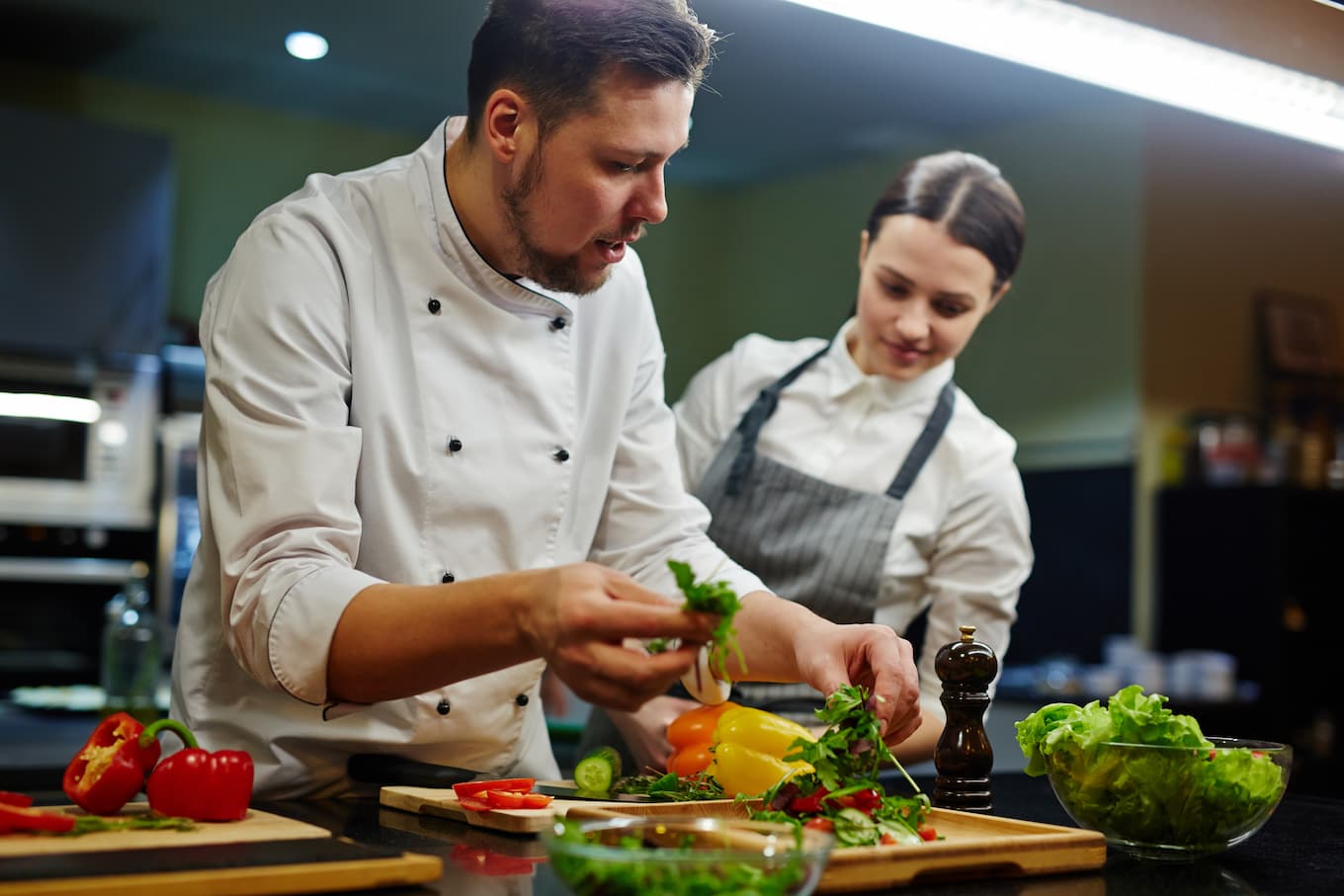
Great cooking starts long before heat is applied. Proper food preparation is the quiet force behind meals that taste balanced and feel satisfying. When ingredients are handled correctly from the beginning, flavor develops naturally and textures land exactly where they should.
Skipping or rushing prep often leads to uneven cooking, dull flavors, and disappointing results—even with good recipes.
Preparation Builds Flavor From the Ground Up
Flavor isn’t only created in the pan. Many taste elements are established during prep.
Well-prepared ingredients:
- Absorb seasoning more evenly
- Cook at a consistent rate
- Retain their natural aromas
Simple steps like drying proteins or salting vegetables early can dramatically improve the final dish.
Uniform Cutting Improves Texture and Consistency
How food is cut directly affects how it cooks.
Benefits of even cuts include:
- Predictable cooking times
- Balanced texture in every bite
- Better visual appeal
When ingredients cook unevenly, some pieces turn mushy while others stay raw. Consistent knife work eliminates that problem.
Proper Seasoning Starts Before Cooking
Seasoning is most effective when applied early and thoughtfully.
Early seasoning:
- Penetrates ingredients more deeply
- Enhances natural flavors instead of masking them
- Reduces the need for heavy seasoning later
Salting proteins or vegetables ahead of time allows moisture and flavor to rebalance internally.
Marination and Resting Transform Texture
Marination isn’t just about flavor—it also changes structure.
When done correctly, marination:
- Tenderizes proteins
- Adds moisture retention
- Improves mouthfeel
Similarly, allowing meat to rest before and after cooking keeps fibers relaxed and juices evenly distributed.
Temperature Control Begins at Prep
Cold ingredients don’t cook evenly.
Smart temperature prep includes:
- Bringing proteins closer to room temperature
- Avoiding frozen or overly chilled items in hot pans
- Preheating cookware properly
This prevents shock cooking and supports better browning and texture.
Drying Ingredients Creates Better Browning
Moisture is the enemy of crispness.
Dry ingredients:
- Sear faster
- Brown more evenly
- Develop deeper flavor through caramelization
Patting food dry before cooking is one of the most overlooked prep steps with the biggest payoff.
Organization Improves Execution and Results
A prepared cook works calmly and precisely.
Good organization allows you to:
- Focus on timing instead of searching
- Avoid overcooking while multitasking
- Adjust seasoning thoughtfully
Clear prep leads to better decisions during cooking.
Texture Is Built in Layers
Texture doesn’t happen by accident.
Prep choices that enhance texture:
- Blanching vegetables before sautéing
- Toasting nuts and spices in advance
- Choosing cut sizes based on cooking method
Each step adds structure to the final dish.
Preparation Reduces Cooking Errors
Most cooking mistakes happen under pressure.
Proper preparation:
- Reduces rushed decisions
- Prevents missed steps
- Creates confidence during cooking
When prep is solid, cooking becomes execution—not damage control.
Frequently Asked Questions
Why does food taste better when prepared in advance?
Early prep allows seasoning to penetrate and flavors to stabilize before cooking begins.
Does cutting style really affect texture?
Yes. Different cuts change how heat travels through food, impacting firmness and moisture.
How far ahead can ingredients be prepped?
Many vegetables, marinades, and dry components can be prepared hours or even days in advance if stored properly.
Is marinating always necessary?
No. Some proteins benefit more from dry seasoning, while others respond well to marination.
Why does drying food matter so much?
Excess moisture prevents browning and leads to steaming instead of crisp cooking.
Should all food be brought to room temperature before cooking?
Not all, but proteins benefit the most from slight temperature adjustment before heat is applied.
What’s the biggest prep mistake home cooks make?
Skipping prep entirely and trying to multitask while cooking, which leads to errors and uneven results.
Proper food preparation isn’t extra work—it’s the foundation of great taste and texture. When ingredients are handled with care from the start, the final dish rewards you with clarity, balance, and satisfaction in every bite.

Comments are closed.