

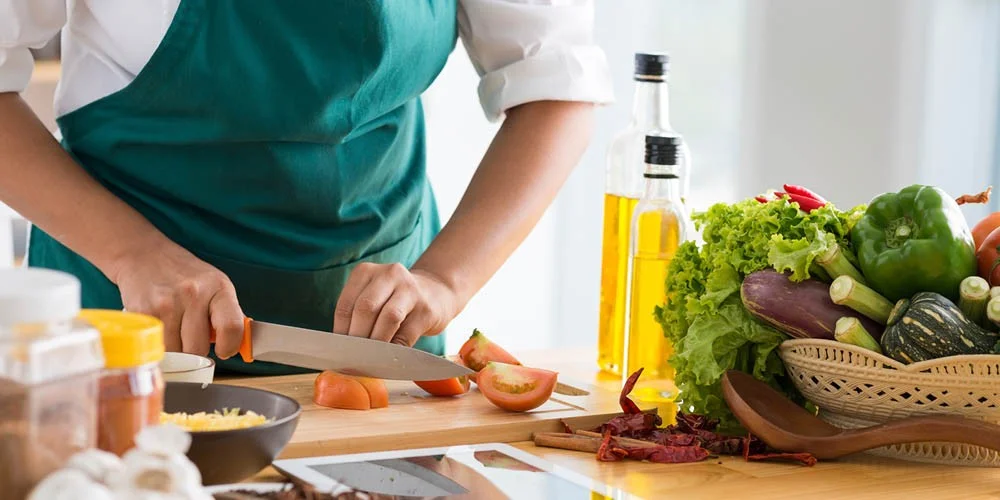
Cooking quickly doesn’t have to mean bland meals or shortcuts that dull flavor. In fact, many professional kitchens rely on speed-enhancing techniques that actually improve taste. The key is working smarter, not rushing blindly.
With the right habits, tools, and mindset, you can cook faster while still delivering bold, satisfying dishes.
Start With Smart Preparation
Speed in the kitchen begins before the stove is even on.
Good preparation allows you to:
- Avoid last-minute scrambling
- Cook with focus and flow
- Reduce mistakes that slow you down
Simple prep habits create immediate time savings.
Embrace Mise en Place
Having all ingredients washed, chopped, and measured before cooking prevents interruptions.
Benefits include:
- Faster execution once heat is applied
- Better timing and coordination
- More consistent seasoning
This single habit can cut cooking time dramatically.
Use High Heat the Right Way
High heat is one of the fastest paths to flavor—when used correctly.
Why it works:
- Promotes caramelization and browning
- Seals in moisture quickly
- Reduces overall cook time
Dry ingredients well and avoid overcrowding pans to keep heat effective.
Choose Ingredients That Cook Quickly
Not all ingredients require long cooking to taste great.
Time-saving options include:
- Thinly sliced proteins
- Tender cuts of meat
- Fresh herbs instead of long-simmered sauces
Understanding ingredient behavior helps you plan faster meals without compromise.
Layer Flavor Instead of Prolonging Cooking
Long cooking isn’t the only way to build depth.
Fast flavor boosters:
- Finishing with citrus or vinegar
- Adding fresh herbs at the end
- Using compound butters or infused oils
These techniques deliver complexity instantly.
Use Fewer, Better Tools
Too many tools slow you down.
Efficient kitchens rely on:
- One sharp knife
- One or two versatile pans
- A reliable cutting board
Less cleanup also means more time saved overall.
Master One-Pan and One-Pot Cooking
One-pan cooking reduces steps and concentrates flavor.
Advantages include:
- Faster heat transfer
- Less dishwashing
- More cohesive flavors
When ingredients cook together, taste builds naturally and efficiently.
Season Early—and Taste Often
Correct seasoning prevents rework.
Smart seasoning habits:
- Season proteins before cooking
- Adjust salt in stages
- Taste throughout the process
Fixing flavor late always takes longer than getting it right early.
Keep Your Kitchen Organized
An organized space supports faster decision-making.
Simple organization tips:
- Store frequently used items within reach
- Group ingredients by recipe
- Clean as you go
A clutter-free kitchen reduces mental and physical drag.
Practice Builds Speed Naturally
Speed improves with repetition, not rushing.
Over time, you’ll:
- Move more efficiently
- Make faster decisions
- Develop instinctive timing
Confidence is the real secret to cooking faster without losing quality.
Frequently Asked Questions
Does cooking faster reduce flavor development?
Not if you use proper heat, seasoning, and finishing techniques that enhance flavor quickly.
What is the biggest mistake people make when rushing meals?
Skipping preparation, which leads to uneven cooking and delayed corrections.
Are quick meals always less healthy?
No. Fast meals can be nutritious when built around fresh ingredients and simple techniques.
Can slow-cooked flavors really be replaced?
Some dishes require time, but many flavors can be recreated using smart shortcuts and layering.
How important is knife skill for cooking faster?
Very important. Efficient cutting saves time and improves consistency during cooking.
Is high heat always better for fast cooking?
High heat works best for sautéing and searing, but it must be controlled to avoid burning.
What’s the easiest habit to adopt for faster cooking?
Prepping ingredients before turning on the stove delivers the fastest improvement with minimal effort.
Cooking faster isn’t about cutting corners—it’s about clarity, preparation, and confidence. When you respect ingredients and technique, speed becomes a natural byproduct of good cooking, not a sacrifice.

Comments are closed.