

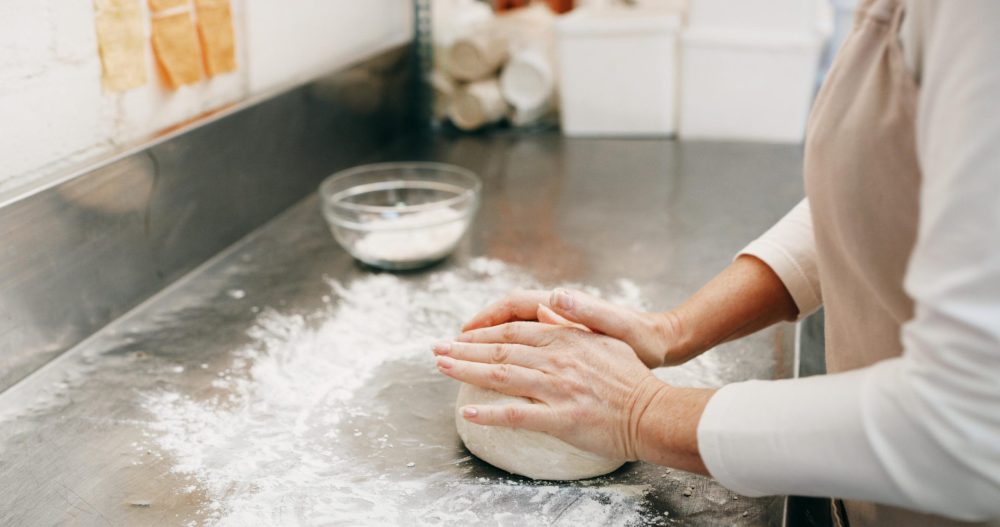
A neighborhood bakery is more than a place to buy bread. It is a rhythm of early mornings, practiced hands, and quiet decisions that customers rarely see. While the display cases look effortless, success is built long before the doors open. Understanding what happens behind the scenes reveals why some bakeries become local institutions while others fade away.
The Day Starts Before Sunrise
Most neighborhood bakeries begin work while the streets are still dark. Timing is everything, especially when freshness defines quality.
Daily routines often include:
- Mixing and fermenting dough hours before opening
- Baking in carefully planned batches
- Preparing pastries to peak during morning rushes
This early start ensures customers experience bread and pastries at their absolute best.
Recipe Consistency Is Non-Negotiable
A successful bakery does not rely on improvisation once doors are open. Recipes are tested, measured, and repeated with precision.
Consistency depends on:
- Exact ingredient weights rather than volume
- Controlled fermentation times
- Adjustments based on humidity and temperature
Customers return because their favorite loaf tastes the same every time, not because it surprises them.
Ingredient Sourcing Shapes the Brand
Behind every great bakery is a thoughtful approach to sourcing. Flour, butter, yeast, and even water quality influence final results.
Many neighborhood bakeries prioritize:
- Locally milled flour for freshness and identity
- Seasonal ingredients for pastries
- Reliable suppliers to avoid sudden quality shifts
Ingredient choices quietly define flavor, texture, and reputation.
The Hidden Role of Preparation and Planning
What customers see is the finished product. What they do not see is planning that happens days in advance.
Preparation includes:
- Forecasting daily demand to reduce waste
- Scheduling staff based on peak hours
- Pre-shaping dough for next-day baking
Strong planning allows bakers to focus on craft instead of scrambling.
Staff Training and Team Culture
A bakery is only as strong as the people behind the counter and ovens. Training goes far beyond learning recipes.
Successful teams share:
- Clear roles during busy hours
- Cross-training to cover absences
- A shared understanding of quality standards
When staff care about the product, customers can feel it.
Customer Relationships Matter as Much as Recipes
Neighborhood bakeries thrive on familiarity. Remembering names, preferences, and routines builds trust.
Simple habits make a difference:
- Greeting regulars personally
- Taking feedback seriously
- Adjusting offerings based on local tastes
Community connection often becomes a bakery’s strongest marketing tool.
Cleanliness and Organization Keep Everything Moving
Behind the scenes, organization determines speed and safety. Clean workspaces reduce errors and stress during rush periods.
Daily systems often include:
- Strict cleaning schedules
- Clearly labeled storage
- Logical kitchen layouts that minimize wasted movement
Efficiency keeps quality high even during peak demand.
Balancing Creativity With Reliability
Innovation keeps a bakery exciting, but too much change can alienate loyal customers.
Successful bakeries:
- Rotate seasonal specials without removing classics
- Test new items in small batches
- Let customer response guide permanent additions
Creativity works best when it respects what already sells.
Why Neighborhood Bakeries Endure
Behind every successful neighborhood bakery is discipline disguised as warmth. Customers experience comfort and familiarity, while bakers rely on systems, planning, and skill. This balance between heart and structure is what allows small bakeries to survive in competitive environments.
Frequently Asked Questions
How long does it take to open a neighborhood bakery?
From planning to opening day, it often takes six months to two years, depending on location, permits, and equipment readiness.
What is the most challenging part of running a bakery?
Managing time and energy is often harder than baking itself, especially during early mornings and long holidays.
How do bakeries decide how much to bake each day?
Most rely on historical sales data, weather patterns, and local events to estimate demand and minimize waste.
Do neighborhood bakeries make most of their profit from bread?
Often, pastries and specialty items have higher margins, while bread builds customer loyalty and daily traffic.
How important is equipment in a small bakery?
Reliable ovens and mixers are critical. Consistent heat and performance directly affect product quality.
Why do many bakeries sell out before closing time?
Selling out usually means production matched demand well. Overproduction leads to waste, which hurts small businesses.
Can a neighborhood bakery succeed without social media?
Yes, but word-of-mouth, consistent quality, and community presence become even more important without online promotion.
Behind the counter and beyond the aroma of fresh bread lies careful planning, teamwork, and discipline. That unseen effort is what transforms a small bakery into a beloved neighborhood staple.

Comments are closed.