

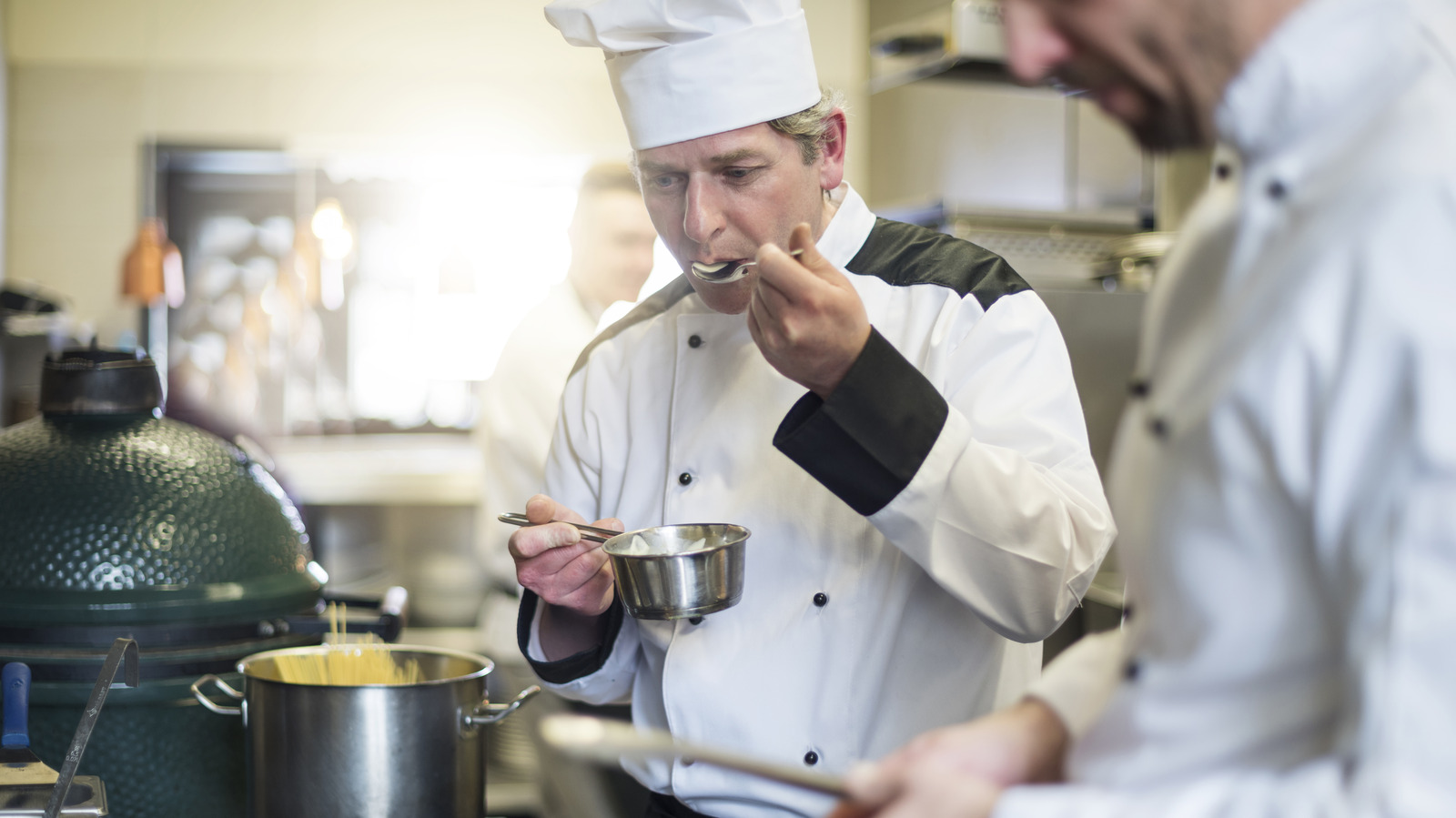
In professional kitchens, chefs walk a fine line every day. Guests expect familiar flavors they trust, yet they also crave fresh ideas that excite them. Balancing creativity and consistency is one of the most demanding—and defining—skills of a successful chef.
This balance isn’t accidental. It’s built through systems, discipline, and a deep understanding of both food and people.
Why Creativity and Consistency Often Conflict
Creativity thrives on freedom, experimentation, and risk. Consistency depends on repetition, control, and precision. In a restaurant setting, these forces naturally pull in opposite directions.
Chefs must manage:
- Customer expectations for repeat dishes
- Brand identity and reputation
- Operational realities like time, cost, and staffing
Too much creativity can confuse diners. Too much consistency can stagnate a menu.
Building a Strong Foundation Before Innovating
Great chefs don’t improvise blindly. Creativity works best when built on solid fundamentals.
A strong foundation includes:
- Mastery of core techniques
- Deep understanding of ingredients
- Clear flavor profiles and standards
Once the basics are locked in, chefs can experiment without compromising quality.
Standardized Recipes as Creative Anchors
Consistency starts with structure. Most professional kitchens rely on detailed recipes and procedures.
These standards ensure:
- Reliable flavor and texture every service
- Smooth training for kitchen staff
- Reduced errors during busy shifts
Within these boundaries, chefs adjust garnishes, specials, or seasonal elements—keeping the core intact while allowing creative expression.
Creativity Lives in the Details
Chefs often channel creativity in subtle, controlled ways rather than drastic menu changes.
Examples include:
- Seasonal ingredient swaps
- New plating styles
- Updated sauces or accompaniments
These refinements keep dishes exciting while maintaining the familiar experience guests expect.
Tasting and Feedback Keep Balance in Check
Chefs constantly taste their food. This habit ensures creativity never overrides consistency.
Regular tasting helps:
- Maintain flavor accuracy
- Catch small deviations early
- Refine new ideas before full rollout
Feedback from staff and diners also plays a crucial role in deciding what stays and what evolves.
Training the Team to Execute the Vision
A chef’s vision is only as strong as the team executing it.
Consistency depends on:
- Clear communication
- Hands-on training
- Reinforcing standards daily
When the team understands why a dish matters, they execute it with both precision and pride.
Knowing When to Experiment—and When Not To
Timing matters. Chefs choose moments for creativity carefully.
Creative experimentation often happens:
- During menu development periods
- As limited-time specials
- Outside peak service hours
This protects the guest experience while still allowing innovation to flourish.
Consistency Builds Trust, Creativity Builds Loyalty
Consistency brings guests back. Creativity gives them a reason to stay interested.
The most respected chefs understand that:
- Trust is earned through reliability
- Loyalty grows through thoughtful evolution
Balancing both is what turns a good restaurant into a great one.
Frequently Asked Questions
Why is consistency so important in restaurants?
Guests expect the same quality and flavor every time they order a favorite dish.
Does creativity risk alienating loyal customers?
It can if changes are too drastic or frequent, which is why controlled experimentation matters.
How often do chefs usually change menus?
This varies, but many adjust seasonally while keeping signature dishes unchanged.
Can creativity exist within strict recipes?
Yes. Creativity often shows up in presentation, sourcing, or small refinements rather than core changes.
How do chefs test new ideas without risking service quality?
They use tastings, staff meals, and specials before adding items to the main menu.
What role does customer feedback play in this balance?
It helps chefs understand which innovations resonate and which ones miss the mark.
Is balancing creativity and consistency harder in fine dining or casual restaurants?
Both face challenges, but fine dining often has more flexibility, while casual dining relies heavily on consistency.
In the end, great chefs don’t choose between creativity and consistency—they design systems that allow both to coexist. That balance is what keeps kitchens inspired and diners coming back.

Comments are closed.